5 Hidden Dairy Ingredients That Aren't Obviously Labeled 'Milk'
Quick Answer: Casein, whey, lactose, ghee, and ‘natural flavors’ can all legally contain dairy derivatives without the word ‘milk’ appearing anywhere prominent on the label, so a true dairy-free check means reading the full ingredient list, not just scanning for obvious dairy words.
You checked the front of the package for a dairy-free badge, scanned for the word ‘milk,’ and still ended up with a stomach ache an hour later. The dairy was there — it just wasn’t using the word you were looking for.

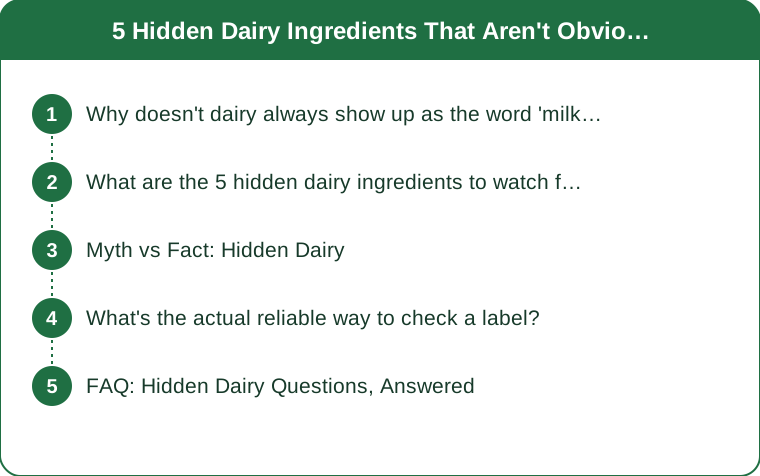
Why doesn’t dairy always show up as the word ‘milk’ on labels?
Because dairy proteins and sugars are often extracted and used as functional ingredients under their own technical names — for texture, binding, or flavor — rather than added as recognizable ‘milk.’ Regulations typically require dairy allergens to be disclosed, but usually in a separate ‘contains’ statement, not necessarily flagged within the ingredient list itself in plain language.
What are the 5 hidden dairy ingredients to watch for?
1. Casein / caseinate — a milk protein used widely in processed foods, including some products marketed as ‘non-dairy’ (like certain coffee creamers).
2. Whey / whey protein — common in baked goods, protein bars, and even some deli meats as a binder.
3. Lactose — used as a filler or sweetener in some medications and processed snacks, not just dairy products.
4. Ghee / clarified butter — despite lower lactose content, it’s still a dairy-derived fat and not automatically dairy-free.
5. ‘Natural flavors’ — this vague catch-all term can legally include dairy-derived flavor compounds without further specification.

Myth vs Fact: Hidden Dairy
Myth: A product labeled ‘non-dairy’ is guaranteed dairy-free. Fact: In some regulatory contexts, ‘non-dairy’ has a looser legal definition than ‘dairy-free’ and can still permit trace dairy derivatives like casein.
Myth: If it doesn’t say ‘milk,’ it’s safe for a dairy-free diet. Fact: Casein, whey, and lactose are all dairy derivatives that can appear without the word ‘milk’ printed anywhere in the ingredient list.
Myth: Only dairy foods contain dairy ingredients. Fact: Dairy-derived ingredients show up in surprising places — some medications, protein bars, and processed meats included.
What’s the actual reliable way to check a label?
1. Read the full ingredient list, not just the front-of-package claims.
2. Check the ‘contains’ allergen statement at the end of the ingredient list, which is regulated more strictly than the ingredients themselves in many regions.
3. When in doubt on a specific ingredient, a quick search of that exact ingredient name clarifies its dairy status faster than guessing from the name alone.
FAQ: Hidden Dairy Questions, Answered
Is lactose-free the same as dairy-free?
No — lactose-free products remove the sugar but often still contain milk proteins like casein and whey, which matters for anyone avoiding dairy for a protein allergy rather than lactose intolerance specifically.
Do I need to worry about hidden dairy if I just have lactose intolerance, not an allergy?
Less so — lactose intolerance is about the sugar, not proteins like casein and whey, so those specific ingredients are typically fine; ghee and butter still contain some lactose, though often less than milk itself.
Where does hidden dairy show up most unexpectedly?
Protein bars, some deli meats, and certain medications are the most commonly overlooked sources people don’t think to check.
TL;DR:
- Casein, whey, lactose, ghee, and ‘natural flavors’ can all hide dairy without the word ‘milk’ appearing
- ‘Non-dairy’ isn’t legally the same guarantee as ‘dairy-free’ in every context
- Check the full ingredient list and the allergen ‘contains’ statement, not just the front label
- Lactose intolerance and a dairy protein allergy require checking different ingredients specifically
This is general information, not medical advice — if you have a diagnosed dairy allergy, confirm specific ingredient safety with your doctor or a registered dietitian.
Keep Reading
This article is for general informational purposes only and is not medical advice. Always consult a qualified health professional for guidance specific to you.