The Dairy-Free Travel Snacks That Actually Survive a Cooler
Quick Answer: Hard cheeses substitutes made from coconut oil, dried fruit and nut mixes, hummus with sturdy vegetables, and vacuum-sealed dairy-free jerky all hold up for 6-8 hours in a cooler. Soft dairy-free yogurts and anything with cashew cream bases degrade fastest.
Late-summer road trips and day hikes mean packing food that has to survive heat, jostling, and hours without refrigeration — and dairy-free options have their own specific weak points that regular snacks don’t.
Which dairy-free snacks actually hold up in heat?
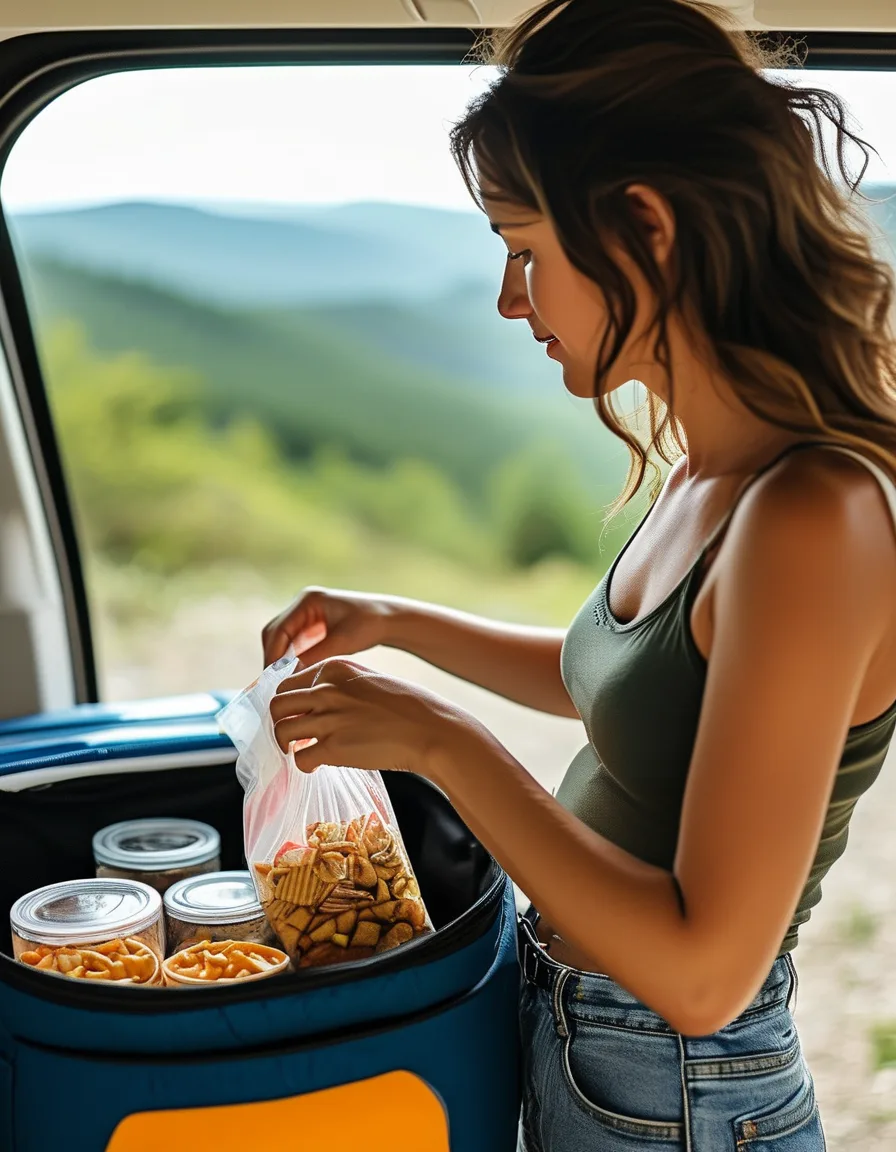
Nut and seed butter packets, dried fruit, roasted chickpeas, and rice cakes are essentially heat-proof — nothing in them degrades meaningfully even in a hot car. Hummus travels well in a cooler for a full day as long as it stays below 40°F, paired with sturdy dippers like carrots or bell pepper strips rather than anything that wilts.
Dairy-free jerky and vacuum-sealed dairy-free cheese alternatives (the firmer, coconut-oil or cashew-based blocks rather than soft spreads) hold their texture for 6-8 hours in a properly packed cooler with ice.
What actually fails first in a hot cooler?
Soft dairy-free yogurts separate and turn watery faster than dairy versions once they warm past refrigerator temperature, and cashew-cream-based dips or “cheese” spreads can turn grainy or oily within a few hours in heat. If a recipe leans on coconut milk fat, it will also soften and separate faster than a dairy-fat equivalent once it’s above about 70°F.

5 Mistakes People Make Packing Dairy-Free Coolers
- Packing ice on top instead of underneath and around — cold air sinks, so items on top of the ice pack warm up fastest, which is exactly where soft dairy-free items end up.
- Choosing cashew-based products for long trips — they’re more heat-sensitive than coconut-oil-based alternatives, which hold structure better.
- Not pre-chilling the snacks themselves — starting warm items in a cooler means they never fully cool, even with ice.
- Skipping a second ice pack for anything over 4 hours — one pack loses effectiveness faster than people expect in 85°F+ weather.
- Packing dips in wide, shallow containers — more surface area exposed means faster warming; narrow, deep containers hold cold longer.
What about longer trips with no cooler access?
Shelf-stable options — dried fruit, nut mixes, dairy-free protein bars, and vacuum-sealed jerky — are your best bet for anything over 8 hours without ice access. These don’t need refrigeration at all and hold up in a hot glove compartment for days, which makes them the safer default for flights or multi-stop trips where cooler access isn’t guaranteed.
FAQ: Dairy-Free Travel Snacks, Answered
Can dairy-free cheese alternatives be left unrefrigerated for a picnic?
For 2-3 hours at moderate temperatures, most firm coconut-oil-based blocks are fine. Beyond that, or above 80°F, refrigeration or ice is worth the effort.
Are dairy-free snacks more prone to spoiling than dairy ones?
Not inherently — the coconut and cashew fats behave differently under heat (softening rather than curdling), but the actual food-safety spoilage timeline is comparable to dairy versions.
What’s the best dairy-free snack for a full-day hike with no cooler?
Trail mix with dried fruit and nuts, or a dairy-free jerky, since neither needs cold to stay safe or appetizing.
TL;DR:
- Hard, coconut-oil-based dairy-free items travel better than soft, cashew-based ones
- Pack ice around and under snacks, not just on top
- Hummus with sturdy dippers holds up a full day in a proper cooler
- Go fully shelf-stable (nuts, dried fruit, jerky) for trips over 8 hours with no ice
A little planning around which fats you’re packing makes the difference between snacks that last and a soggy cooler by noon.
Keep Reading
This article is for general informational purposes only and is not medical advice. Always consult a qualified health professional for guidance specific to you.