Dairy-Free Protein: Hitting Your Numbers Without the Whey and Yogurt Aisle
Dairy is the protein world’s easy mode — the Greek yogurt, the cottage cheese, the whey — and going dairy-free deletes the whole shelf. The replacement math: where the protein comes from instead, the alternatives ranked honestly and a full day that hits the numbers.

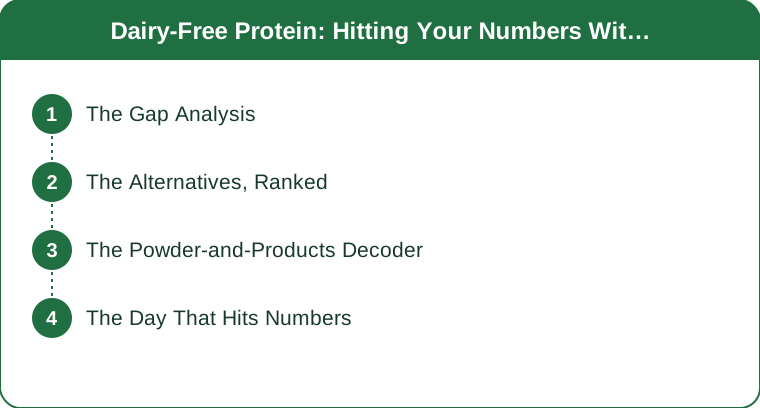
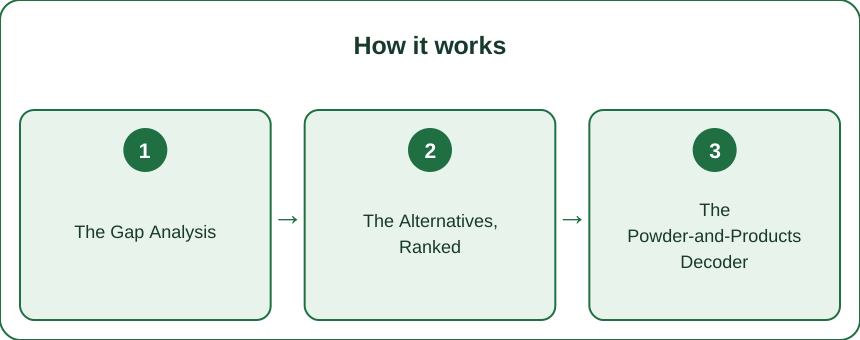
The Gap Analysis
What dairy-free actually loses: the convenience tier more than the possibility tier (yogurt bowls, cheese snacks and whey shakes are protein-per-effort champions — their absence is a logistics problem, not a nutrition wall), the numbers involved (the daily 25-30g-per-meal anchors still apply — dairy-free changes the suppliers, not the targets), and the calcium footnote (dairy carried calcium too — the fortified alternatives and the greens-tofu-almonds tier pick up that contract alongside the protein one).
The Alternatives, Ranked
The new supplier list: eggs lead the animal tier (the dairy-free kitchen’s workhorse — the anchor that scrambles, boils and bakes), the soy family leads plants (tofu, tempeh and edamame — complete proteins at excellent density; the tofu-crisping skills from the air-fryer world become core curriculum), the tinned-fish-and-meat tier (the budget-protein atlas minus its dairy rows still runs deep), the legume infrastructure (lentils and beans doing volume duty), and the dairy-free yogurt honesty (coconut and almond yogurts are TEXTURE replacements, not protein ones — most run 1-3g where Greek ran 10; the soy-yogurt exception is the category’s one real protein player; read the label before assuming the swap carried the numbers).

The Powder-and-Products Decoder
The processed tier: the plant-protein powders matured (the pea-rice blends solved the older texture-and-completeness complaints — the post-workout shake survives dairy-free intact; the plain-big-bag economics still apply), the fortified-milk map (soy milk leads protein at ~7g per cup — oat and almond run 1-3g; the cereal-and-smoothie base choice matters more than the coffee splash), the protein-bar audit (many bars are whey-based — the dairy-free bar shelf exists and the homemade bar-lab recipes convert with plant powder), and the label-vigilance note (whey and casein hide in unexpected places — the hidden-dairy literacy from the label guides applies to the protein aisle doubly).
The Day That Hits Numbers
The proof menu: breakfast — tofu scramble or eggs with the soy-milk latte (25g+), lunch — the lentil-and-chicken bowl or the edamame-heavy grain bowl from the batch system (30g), the afternoon anchor — the soy yogurt with seeds or the plant-protein shake (15-20g), dinner — the salmon or tempeh sheet-pan with the vegetable half-plate (30g+), and the tally honesty (the day lands 100g+ without a single dairy item — the numbers were never dairy-dependent, just dairy-convenient; the new suppliers need one week of habit before they’re the easy mode too). The aisle changed; the math didn’t.
Eggs and soy lead, soy yogurt is the exception, powders survived the switch, targets unchanged. Dairy-free protein is a supplier change — one week of new habits and the numbers don’t notice.
Keep Reading
This article is for general informational purposes only and is not medical advice. Always consult a qualified health professional for guidance specific to you.